Native species
Identification notes for chickadees, nuthatches, juncos, goldfinches, cardinals, and jays that visit yards across southern Canada.
Native birds →Practical field notes on the species that visit cold-climate yards, where to place feeders, and how to build nest boxes that survive a Canadian winter.

Most backyard birding questions come down to who shows up, where the food is, and whether your nest boxes are built for the climate. Each guide stays practical and Canada-specific.
Identification notes for chickadees, nuthatches, juncos, goldfinches, cardinals, and jays that visit yards across southern Canada.
Native birds →Where to hang feeders for visibility and window-strike safety, plus seed choices that suit winter residents over migrants.
Feeder placement →Entrance-hole sizing, untreated wood, drainage, and the late-winter timing that fits the Canadian nesting season.
Birdhouses →A short selection of widespread species. Ranges shift with season and region, so treat these as starting points rather than a complete checklist.

Spinus tristis
Switches between bright summer yellow and a duller winter coat. Partial to nyjer and sunflower hearts.
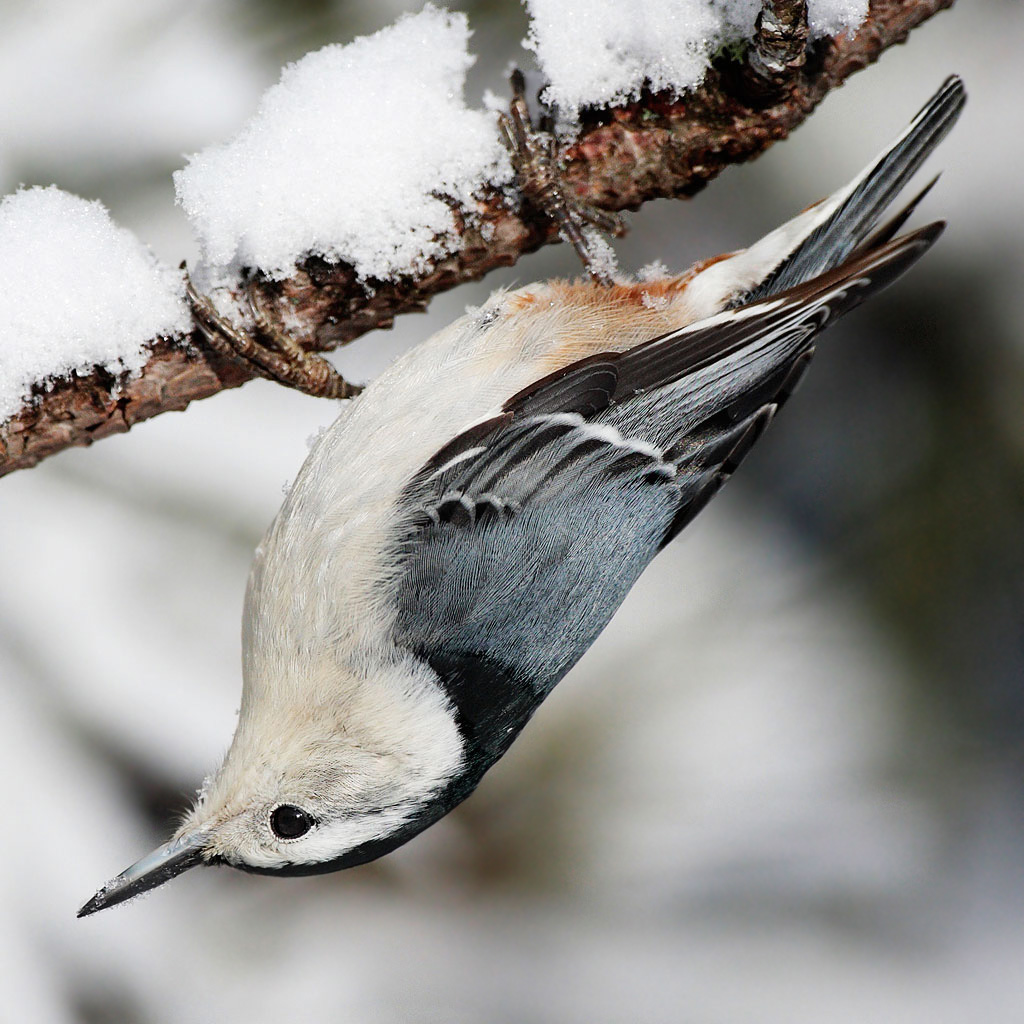
Sitta carolinensis
Often seen moving head-first down a trunk. Takes suet and sunflower seed through the cold months.

Junco hyemalis
A ground feeder that arrives in numbers as colder weather sets in. Prefers seed scattered low.
Place feeders either within about half a metre of a window or more than three metres away. Both reduce the speed and frequency of collisions. Closer is counter-intuitive but works because birds cannot build up enough momentum.
Rinse and dry feeders regularly, especially during warm, damp spells. Spoiled or mouldy seed and crowded feeders are associated with the spread of disease among songbirds.
Send a short note with what you saw and roughly where in Canada you are. This is an editorial reading site, so replies are occasional rather than immediate.