A nest box is a simple structure, but small details decide whether birds use it and whether the young inside survive a cool, wet spring. The priorities are the right cavity size, untreated materials, drainage, and ventilation.
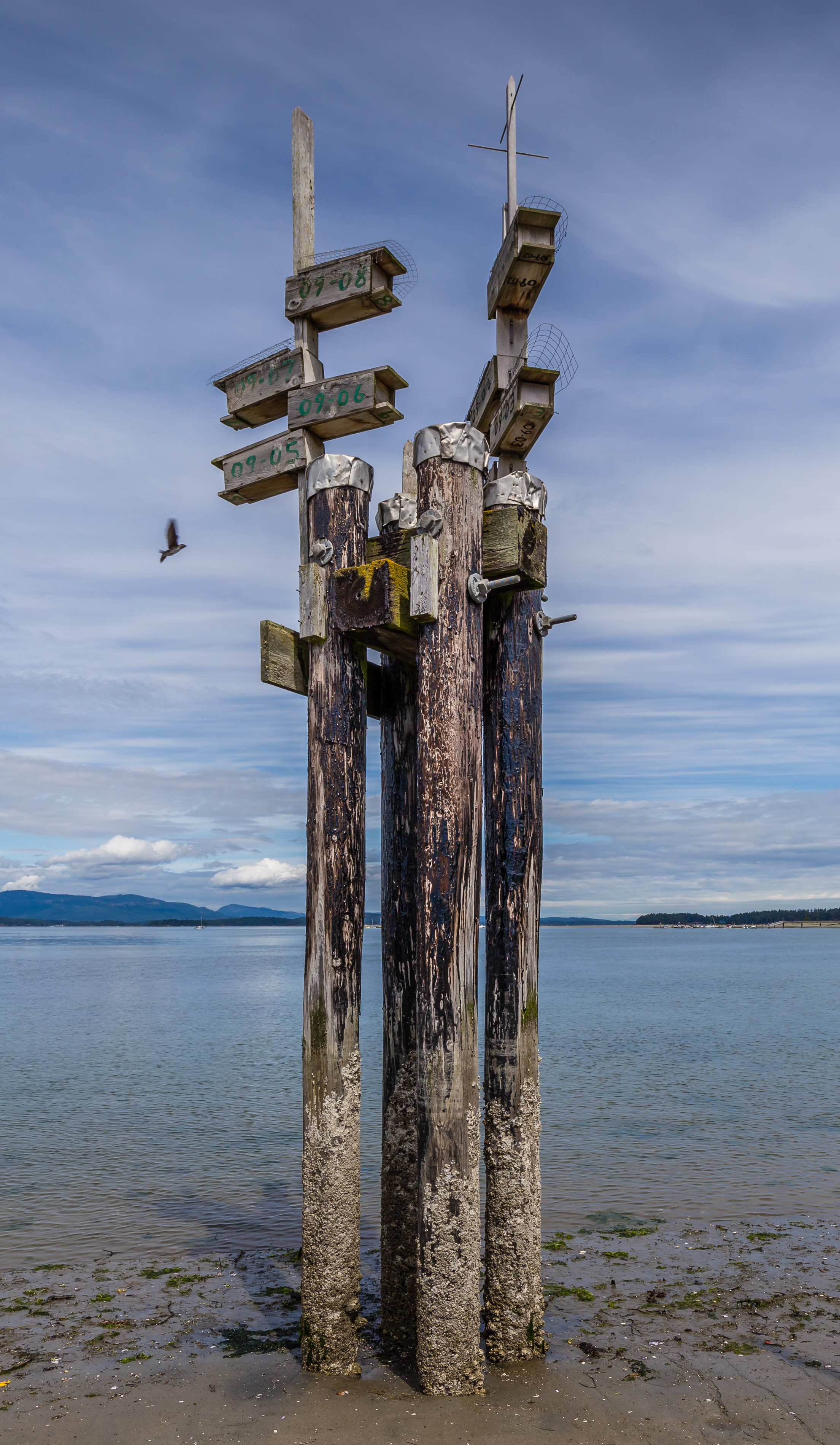
Choose untreated wood
Use untreated, unpainted wood for the interior. Rough-sawn cedar or pine resists weather reasonably well and lets fledglings grip the inside wall as they climb to the entrance. Avoid pressure-treated lumber and interior finishes near the cavity.
Match the entrance hole to the species
The entrance diameter is the single most important measurement: too large and it admits competitors and predators; too small and the intended species cannot enter. Approximate guidelines for some common cavity-nesters:
| Species | Approx. hole diameter | Approx. floor |
|---|---|---|
| Black-capped chickadee | About 2.9 cm | About 10 x 10 cm |
| House wren | About 2.5 - 3.2 cm | About 10 x 10 cm |
| Tree swallow | About 3.8 cm | About 13 x 13 cm |
These are general figures; consult a species-specific nest box plan from a reputable source before cutting.
Drainage, ventilation, and access
- Drainage: small holes or trimmed corners in the floor let rain escape.
- Ventilation: gaps near the top of the side walls release heat on warm days.
- Cleaning access: a side or roof panel that opens makes it possible to clear out old nesting material between seasons.
- No perch: skip the dowel below the hole; it mainly helps predators and competitors.
Timing and siting
In much of Canada, late winter into early spring is a sensible window to have boxes up and cleaned before the nesting season begins. Mount boxes away from prevailing wind and direct afternoon sun, and angle the entrance slightly downward to keep rain out.
Once a box is occupied, keep checks brief and infrequent. Repeated disturbance can cause adults to abandon a nest.
References
For detailed, regionally appropriate plans, Birds Canada and the public nest box resources referenced on Wikipedia are useful starting points.